
Biosafety Cabinet Manufacturers in India
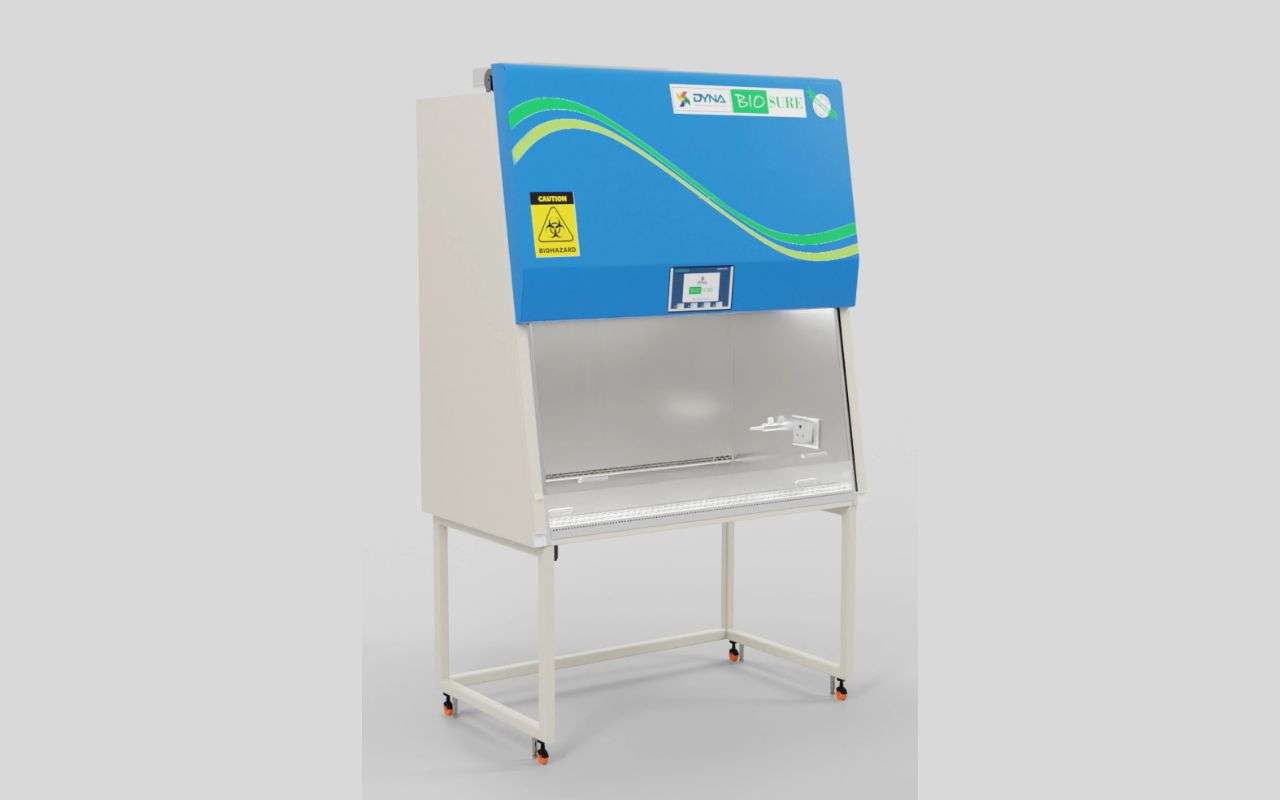
Dyna Make Biological Safety Cabinet (BSC) is an enclosed, ventilated workspace designed to work safely on products contaminated with pathogens requiring a defined biosafety level, to protect the operator & environment from containment. Dyna Biosure effectively provides Bioexclusion and Biocontainment.
At Dyna Filters, we take pride in being among the leading Biosafety Cabinet manufacturers in India, delivering reliable and high-performance Biological Safety Cabinets (BSC) for critical lab and industrial applications.
Dyna Biosafety cabinets have found varied use for manipulation of materials containing infectious and hazardous agents in various applications such as Microbiology, Virology, Hematology, Chemotherapy drug Dispensing, cell culture, Genetics and Handling of hazardous Human beings and Animals.
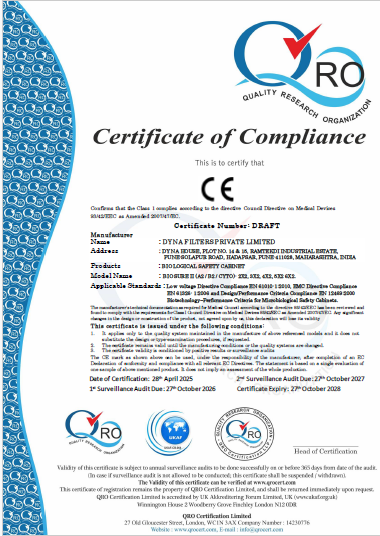
🔹 India’s Only EN12469 certified Biosafety cabinet
Biosafety Cabinet Key Highlights:
- Only BSC in the world to provide Siemens make PLC HMI based Auto performance control
- 4.3” touchscreen digital display
- More workspace in a compact design
- Available in Class II (Type A2 & B2 and A2/B2 – Combined), Class III and Cytotoxic variations
- Class leading features: Superior quality, better ergonomics & higher reliability
- Performances complying to NSF/ANSI 49


Types of Biological Safety Cabinet:
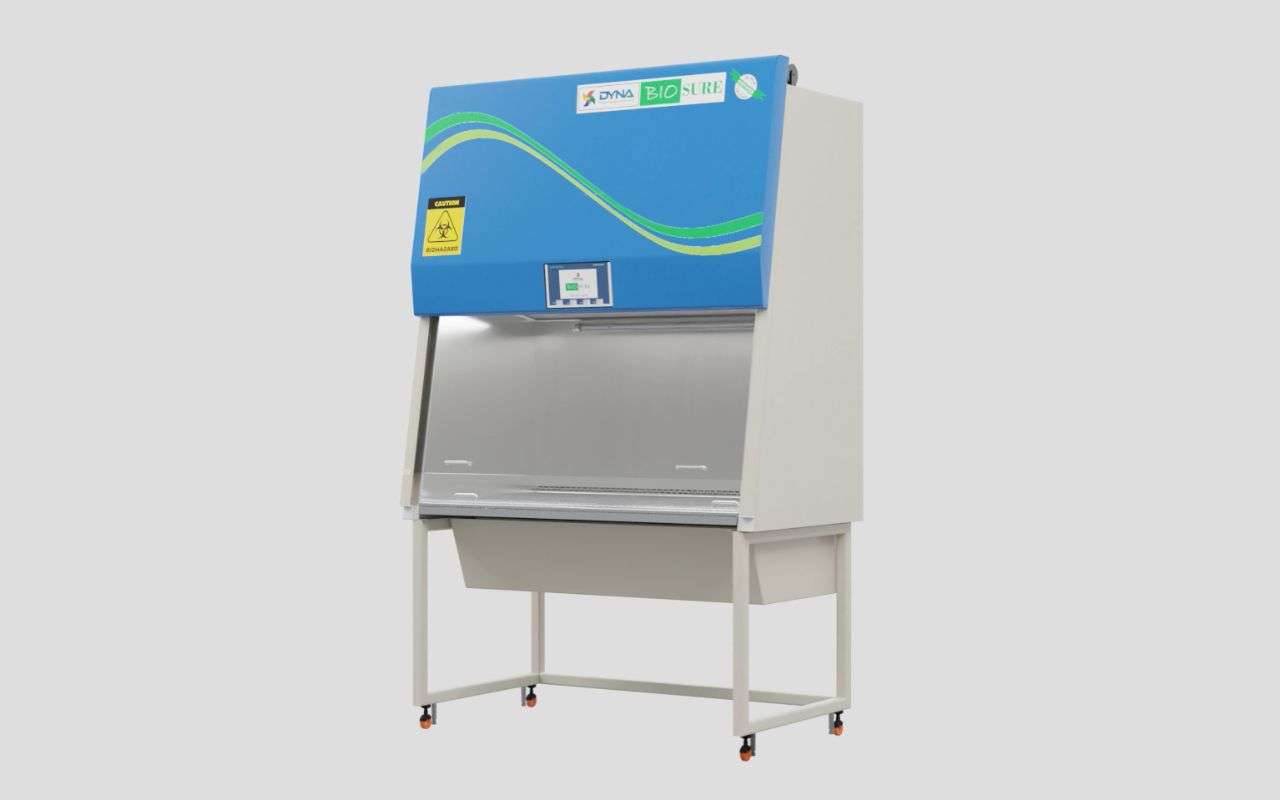
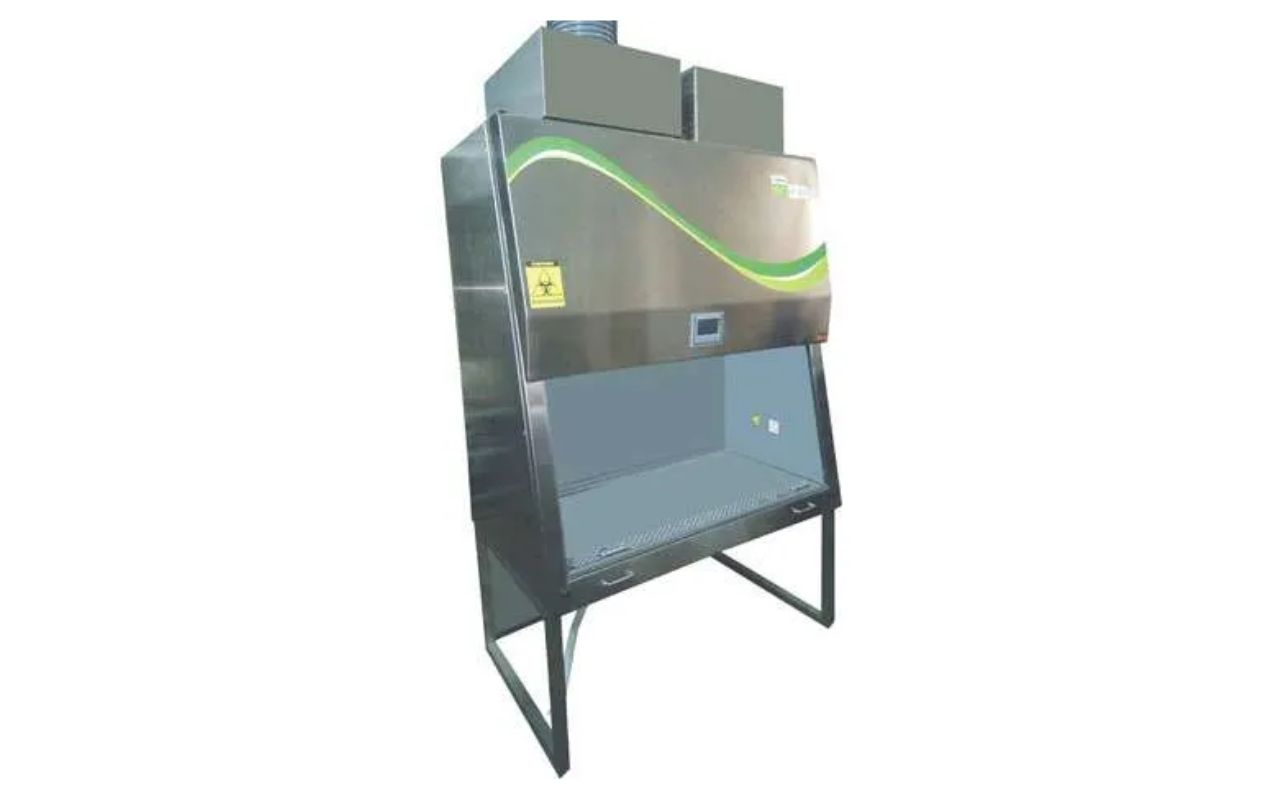
Class II Biological Safety Cabinet
Class II Biosafety Cabinets are designed for handling hazardous biological materials while ensuring operator, product, and environmental protection. Ideal for microbiology, virology, hematology, and cell culture labs. Advanced airflow system maintains HEPA-filtered laminar airflow to prevent contamination.

Class III Biological Safety Cabinet
Class III Biosafety Cabinet provides the highest level of biocontainment for working with hazardous pathogens and toxic materials. The fully enclosed, gas-tight system with glove ports for secure handling. Required for biosafety level 3 and 4 (BSL-3/BSL-4) laboratories.

Biosafety Cabinet Features – Ergonomics, Filtration & Airflow

Ergonomics (Ease of Working)
- 10 deg. angled cabinet front improves a comfortable working posture
- Frameless Sash is made from 6mm toughened safety glass
- Alarms and proximity sensors for correct sash positions

Filtration (HEPA/ ULPA Filters)
- Equipped with custom-designed H14 HEPA filter to offer uniform air distribution
- ULPA filter available on request
Air flow Control
- G1 balanced blowers to reduce vibration
- External exhaust damper for precise airflow control

SIEMENS Control System
(PLC/HMI-Based Automatic Control)
- The only biosafety cabinet in the world with a SIEMENS PLC & colour touchscreen control system offers a high level of automation
- An integral blower & UV meter tracks operating life for maintenance
- Easy serviceability anywhere in the world
🔹 Microprocessor-based control system (Optional available)

Armrest (Raised Removable Armrest)
- Removable type armrest enhances user comfort & prevents blocking of the grill
- Removable one-piece work surface simplifies cleaning

Robust Construction
- Double-walled construction with negative plenum
- Single-piece stainless steel inner structure
- Easy Maintenance (Front Access Maintenance)
- Front Drag Sheet with gas springs helps carry out all Filter, Fan & Electrical Maintenance from the Front Side
- Hinged Cabinet front and Sliding Sash for easy and thorough cleaning

Easy Maintenance (Front Access Maintenance)
- Front Drag Sheet with gas springs helps carry out all Filter, Fan & Electrical Maintenance from the Front Side
- Hinged Cabinet front and Sliding Sash for easy and thorough cleaning

Ease of Control
- Velocity Sensor indicates & alarms the Inflow & Downflow (Optional Velocity)
- Pressure sensor indicates filter life
- Proximity sensor for precise SASH position
- UV interlock Feature for safety and an Auto switch-off feature for user convenience
- Integral Blower and UV hour meter for tracking life
🔌 Built in Electrical socket and Gas Cock inside work area

Large Capacity Spill Trough
Capacity up to 4L for spillage storage with drain cock & pipe
How to Select the Right Biosafety Cabinet for Your Application
Dyna Biosafety Cabinets are used across pharmaceutical manufacturing facilities, vaccine production units, biotechnology laboratories, microbiology testing centres, research institutes, hospitals, academic laboratories, and healthcare environments. These applications require reliable containment systems capable of protecting personnel, products, and surrounding environments from exposure to potentially hazardous biological materials.
Choosing the correct biosafety cabinet depends on the type of biological material being handled, the level of operator protection required, and whether hazardous chemicals or cytotoxic agents are involved.
| Application | Recommended Cabinet Type |
|---|---|
| Microbiology Laboratory | Class II Type A2 |
| Pharmaceutical Quality Control | Class II Type A2 |
| Cell Culture Work | Class II Type A2 |
| Molecular Biology Research | Class II Type A2 |
| Cytotoxic Drug Preparation | Class II Type B2 |
| Chemical Vapour Handling | Class II Type B2 |
| Tuberculosis Research | Class II Type B2 |
| Vaccine Research & Production | Class III |
| High-Risk Pathogen Research | Class III |
Biosafety Cabinet vs Laminar Air Flow Unit
Although both systems use HEPA filtration, their purpose is fundamentally different.
| Feature | Biosafety Cabinet | Laminar Air Flow Unit |
|---|---|---|
| Product Protection | Yes | Yes |
| Personnel Protection | Yes | No |
| Environmental Protection | Yes | No |
| Pathogen Handling | Yes | No |
| Hazardous Biological Agents | Suitable | Not Suitable |
| Pharmaceutical Research | Suitable | Limited Applications |
| Microbiology Testing | Suitable | Not Recommended |
Common Mistakes When Purchasing a Biosafety Cabinet
Many biosafety cabinet purchasing decisions are made based on initial cost rather than application suitability.
Common mistakes include:
Choosing Type A2 Instead of Type B2
Laboratories handling hazardous chemicals may require total exhaust systems offered by Type B2 cabinets.
Ignoring Future Expansion
Research facilities often outgrow cabinet capacity faster than expected.
Overlooking Certification Requirements
Not all cabinets comply with internationally recognised standards.
Improper Installation Planning
Exhaust routing, room airflow patterns, and HVAC integration must be considered before installation.
Focusing Only on Capital Cost
Long-term ownership costs include validation, filter replacement, certification, and maintenance.
Biosafety Levels and Recommended Cabinet Types
Biosafety levels define the containment precautions required when handling biological agents.
| Biosafety Level | Typical Work | Recommended Cabinet |
|---|---|---|
| BSL-1 | Basic microbiology | Class II Type A2 |
| BSL-2 | Human pathogens | Class II Type A2 |
| BSL-3 | Airborne infectious agents | Class II Type B2 |
| BSL-4 | High-risk pathogens | Class III |
Why Choose Dyna Biological Safety Cabinets?
As a trusted Biosafety Cabinet Manufacturer and Supplier, Dyna Filters combines cleanroom engineering expertise with laboratory containment technology. Each cabinet is designed to maintain controlled airflow patterns, HEPA-filtered protection, and operator safety in environments handling biological agents, cell cultures, microbiological samples, and sensitive research materials. Our solutions support laboratories operating under GMP, GLP, and biosafety compliance requirements.
Key differentiators include:
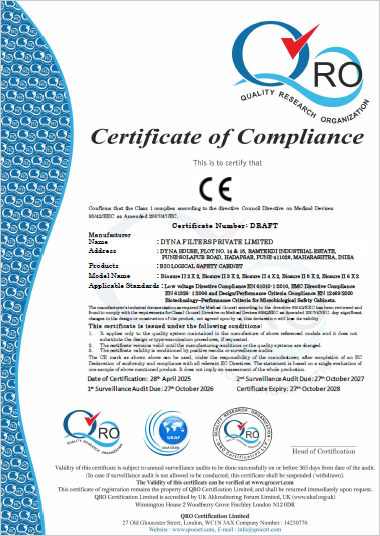
- EN12469 Certified Designs
- Class II and Class III Configurations
- HEPA Filtration Systems
- Compliance-Oriented Engineering
- Validation Support
- Installation and Commissioning Assistance
- PAN India Project Execution Capability
- Integration with Cleanroom and Laboratory Infrastructure
Applications & Uses of Biosafety Cabinet
Industries operating in regulated environments depend on biosafety cabinets for contamination control and laboratory safety. Dyna Filters serves pharmaceutical manufacturers, biotechnology companies, vaccine research facilities, clinical laboratories, diagnostic centres, hospitals, life science organisations, and government research institutions requiring certified biological containment solutions.

Research Laboratories
Supports biological, microbiological, and molecular research programmes.

Hospitals & Healthcare
Protects healthcare personnel handling infectious samples.
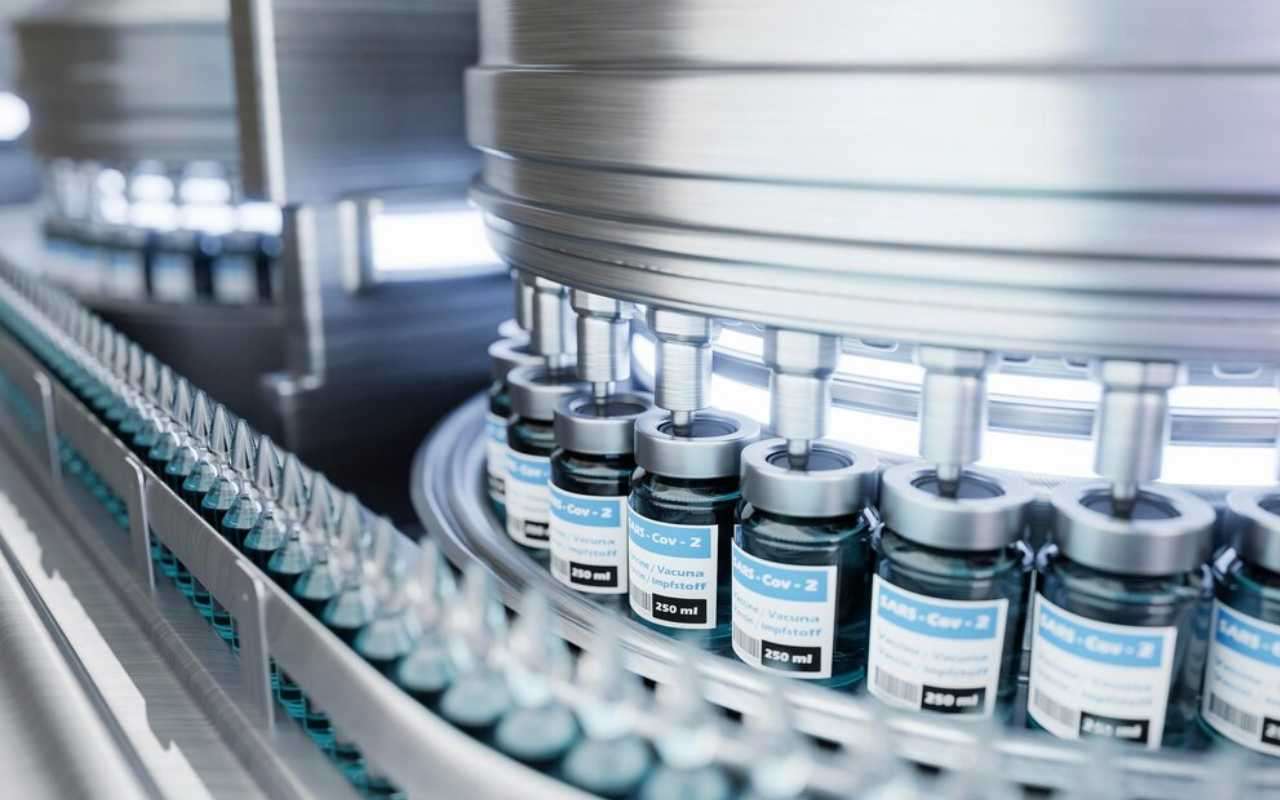
Pharmaceutical Industry
Used during microbiological testing, sterility testing, and quality control activities.
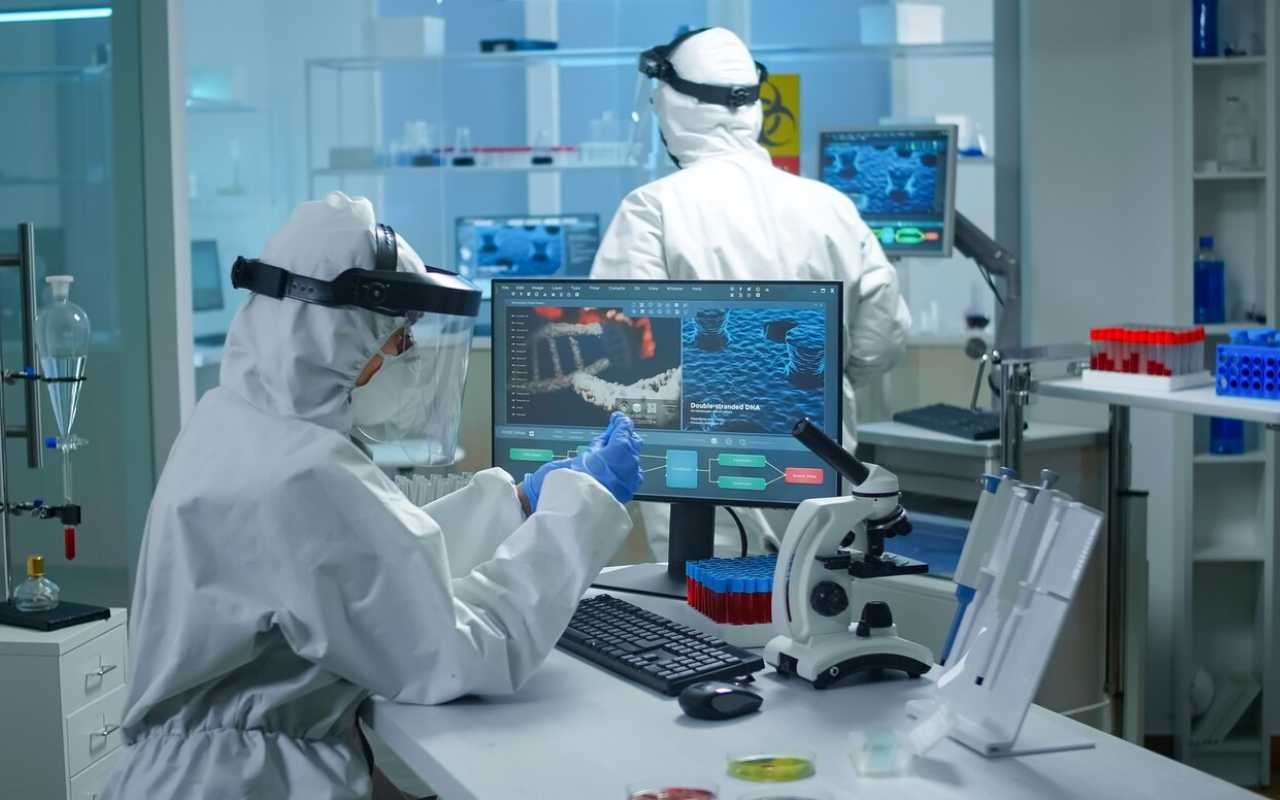
Biotechnology & Life Sciences
Supports cell culture work, genetic research, and biological product development.
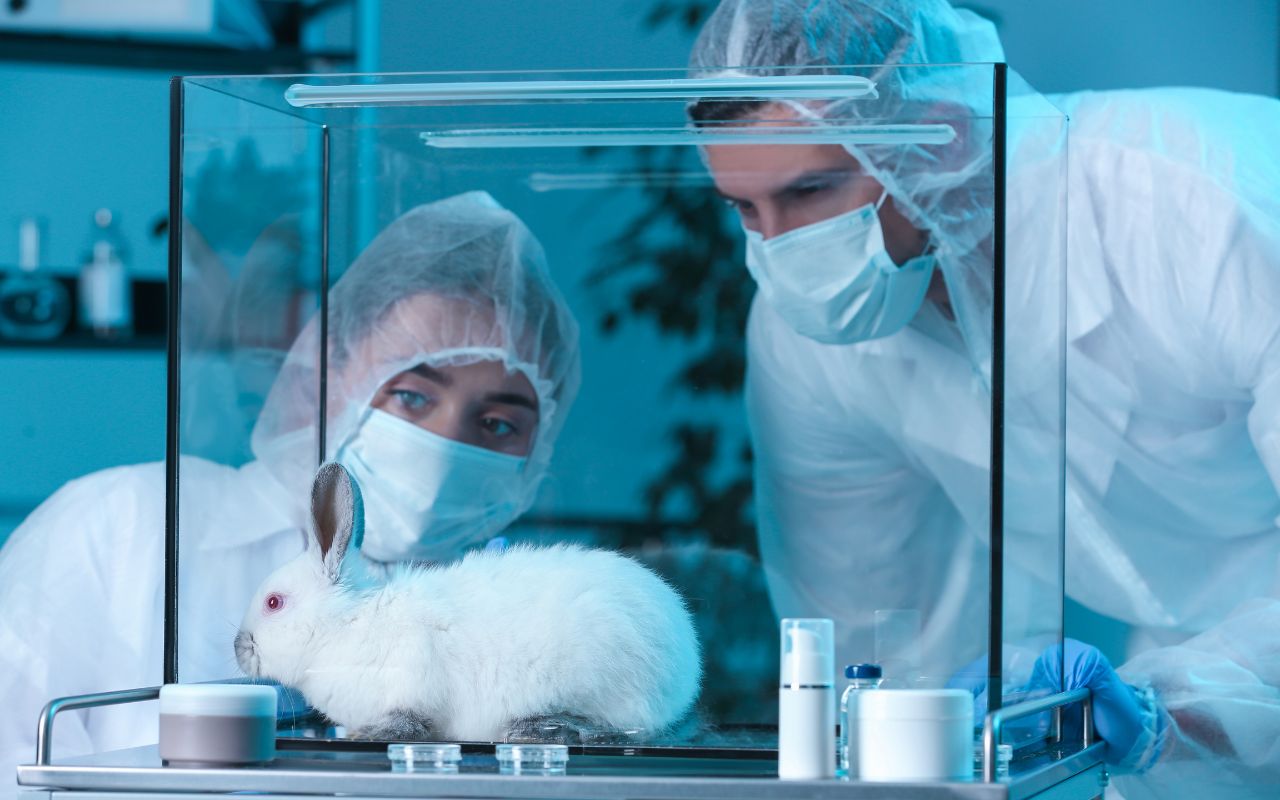
Animal Testing Facilities
Used when handling infectious agents and biological materials in controlled environments.
How Dyna Biosafety Cabinets Ensure Safety & Efficiency
Dyna Filters designs and manufactures EN12469-certified Biosafety Cabinets for laboratories where containment, compliance, and operator safety cannot be compromised. From Class II Type A2 Biosafety Cabinets for routine laboratory applications to Class III Biological Safety Cabinets for high-containment environments, our solutions support the evolving needs of pharmaceutical, biotechnology, healthcare, and research organisations across India and international markets.
- HEPA/ULPA Filtration System – Eliminates airborne contaminants for a sterile workspace.
- Airflow Management – Maintains laminar flow, ensuring contamination-free operations.
- Durable & Ergonomic Build – Stainless steel construction for long-lasting performance.
- User-Friendly Interface – Digital controls for real-time airflow and filter monitoring.
Frequently Asked Questions (FAQs)
What are the different types of Biosafety Cabinets, and how do I select the right Biosafety Cabinet for my laboratory application?
Choosing the Right Biosafety Cabinet for Your Lab: Understanding the Different Classes
When working in controlled environments where contamination and safety risks are high, selecting the appropriate biosafety cabinet (BSC) is crucial. BSCs are classified into three main classes based on the level of protection they provide to personnel, product, and the environment.
🔹 Class I Biosafety Cabinets
Class I cabinets offer basic protection for personnel and the environment by filtering air before it’s released outside. However, they do not protect the product being handled, as unfiltered room air flows directly over the work surface.
🔹 Class II Biosafety Cabinets – The Most Widely Used Category
Class II BSCs provide comprehensive protection, safeguarding the user, the environment, and the product. These are the most commonly used cabinets across pharmaceutical, microbiological, and biotechnology labs.
At Dyna Filters, we specialize in Class II Biosafety Cabinets, which are further divided into five types based on airflow patterns and intended use:
✅ Type A1 – (Less Common Today)
- Recirculates air within the cabinet
- Offers limited exhaust handling
- Rarely used due to outdated safety standards
✅ Type A2 – Most Popular and Versatile
- Recirculates 70% of air through HEPA filters
- 30% of air is exhausted, either filtered back into the room or externally vented
- Suitable for work with trace amounts of volatile chemicals (if ducted)
✅ Type B1 – For Low-Toxic Chemical Use
- Recirculates 30% of air and exhausts 70% outside
- Ideal for work with small quantities of toxic chemicals and radionuclides
- Offers a dedicated exhaust zone on the work surface
✅ Type B2 – For High-Risk Chemical and Biological Applications
- Provides 100% exhaust to the outside environment
- No air is recirculated inside the cabinet
- Best for handling hazardous chemicals, vapours, or pathogens
✅ Type C1 – Hybrid Flexibility
- Combines features of A2 and B2
- Allows recirculation or direct exhaust, depending on the application
- Suitable for labs needing operational flexibility
🔹 Class III Biosafety Cabinets
Designed for maximum containment, Class III cabinets are gas-tight enclosures used in high-security labs (e.g., BSL-4). These provide the highest protection level for personnel, product, and environment, often used for dangerous or unknown pathogens.
How to Choose the Right BSC for Your Laboratory?
When selecting a biosafety cabinet, consider the following:
- Type of work and biological agents involved
- Use of volatile chemicals or radionuclides
- Need for product vs. personnel protection
- Required compliance with biosafety levels (BSL)
At Dyna Filters, our cleanroom experts can help you choose and configure the ideal Class II BSC for your application. Whether you need Type A2 for standard microbiology or Type B2 for chemical-heavy processes, we offer precision-engineered solutions backed by robust safety standards and service support.
What is the difference between Class II and Class III Biosafety Cabinets?
Class II BSCs protect the operator, product, and environment with HEPA filtration, while Class III BSCs provide maximum containment using a gas-tight system with glove ports.
What industries require Biosafety Cabinets?
BSCs are essential for healthcare, pharma, biotech, research labs, and hospitalshandling hazardous biological materials.
Why choose an EN12469-certified Biosafety Cabinet?
EN12469 certification ensures compliance with international biosafety and contamination control standards, guaranteeing safety and efficiency.
What should I consider before buying a biosafety cabinet?
Before buying a biosafety cabinet, consider:
- Cabinet Class and Type (A2, B1, B2, C1)
- Application type (biologicals only or involving chemicals)
- HEPA filtration & exhaust needs
- Workspace size and dimensions
- Certifications (NSF/EN/ISO)
Dyna Filters provides expert consultation to help you select the right cabinet based on your BSL level and workflow.
What is the difference between Class II Type A2 and B2 biosafety cabinets?
Type A2 recirculates 70% of filtered air inside and exhausts 30%; suitable for biological work with trace chemical use (if ducted).
Type B2 exhausts 100% of air externally, with no recirculation; ideal for handling hazardous chemicals and cytotoxic drugs.
Choose based on whether your work involves toxic vapors or just microbial safety.
Do biosafety cabinets need to be ducted to an exhaust system?
Type A2 cabinets can be used ducted or ductless, depending on chemical use.
Type B2 cabinets must be ducted externally.
Dyna provides both options with custom exhaust integration.
How often should biosafety cabinets be certified?
Biosafety cabinets should be certified annually or after every relocation or major filter replacement. Dyna offers HEPA integrity testing, airflow calibration, and NSF-compliant validation reports for audit readiness.
What is the lifespan of HEPA filters in a biosafety cabinet?
Typically, HEPA filters last 3–5 years, depending on usage intensity, particulate load, and environment. Dyna cabinets come with filter clog indicators and support safe-change filter systems to simplify maintenance.
Can a biosafety cabinet be customized for lab space or process flow?
Yes. Dyna offers customizable cabinet widths (3ft to 6ft), glove ports, UV lamps, electrical sockets, and external exhaust compatibility. We design based on application, airflow layout, and space constraints.
What certifications should I look for when buying a biosafety cabinet in India?
Look for:
- EN 12469 (European standard)
- NSF/ANSI 49 (US standard)
- ISO 14644-1 (Cleanroom compatibility)
Dyna’s Class II cabinets are engineered and validated to meet these international biosafety and airflow performance standards.
Can a biosafety cabinet replace a fume hood?
No. A biosafety cabinet is for biological protection, while a fume hood is for chemical vapors. Only a Class II Type B2 cabinet with proper ducting can offer partial chemical handling capabilities, but it is not a substitute for a fume hood in chemistry labs.
Get a Quote Today!
Enhance your lab’s biosafety with India’s only EN12469-certified Biosafety Cabinets from one of the leading biological safety cabinet manufacturers. Trust Dyna Filters, your reliable biosafety cabinet supplier, for unmatched protection and quality.
- Request a Quote
- Call: 9370144760
- Email: sales@dynafilters.com