
Class II Biosafety Cabinet
Class II Biosafety Cabinets: For Operator, Product, and Environmental Protection
Dyna Make Class II Biosafety Cabinets (BSCs) provide an enclosed, ventilated workspace designed for the safe handling of biological materials and hazardous agents. Engineered for bio exclusion and biocontainment, our cabinets ensure three-way protection for the operator, product, and the environment.
At Dyna Filters, we take pride in being among the top Class II Biosafety Cabinet manufacturers in India, delivering reliable and high-performance Biological Safety Cabinets (BSC) for critical lab and industrial applications.
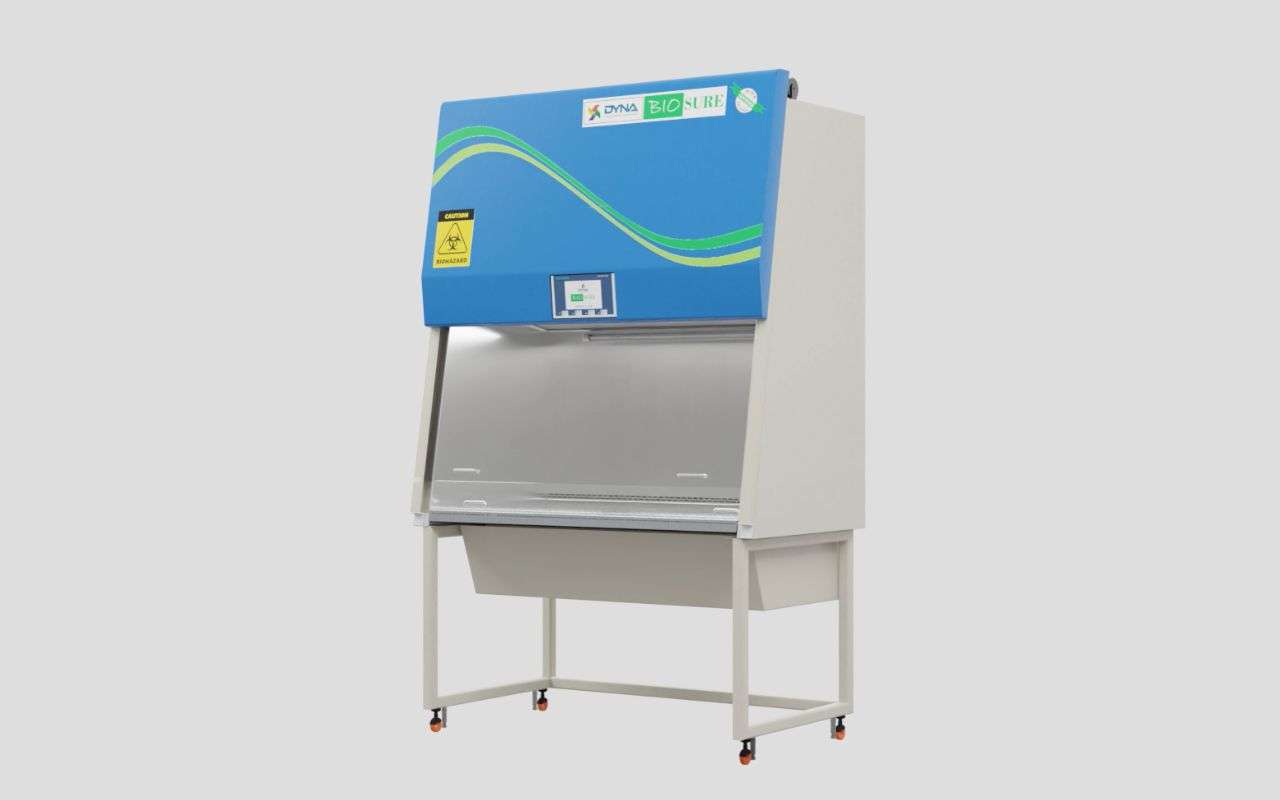
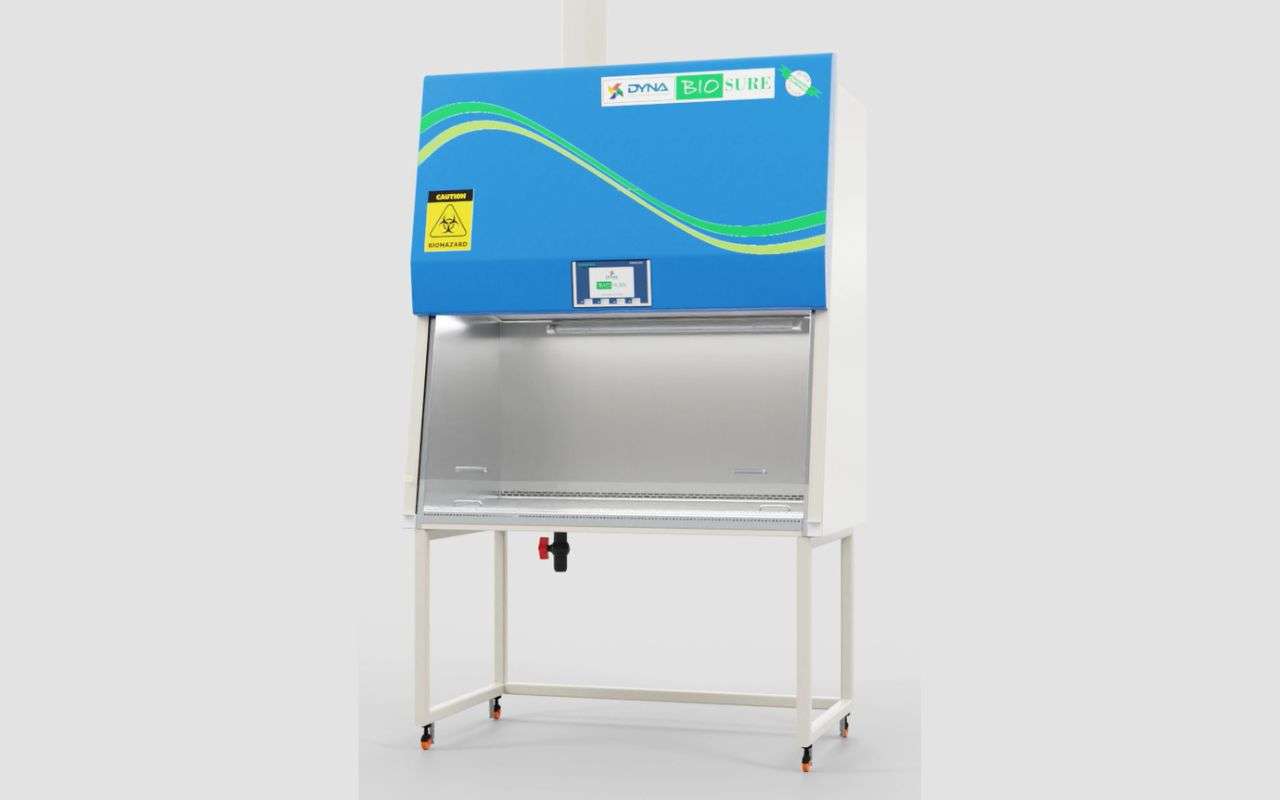
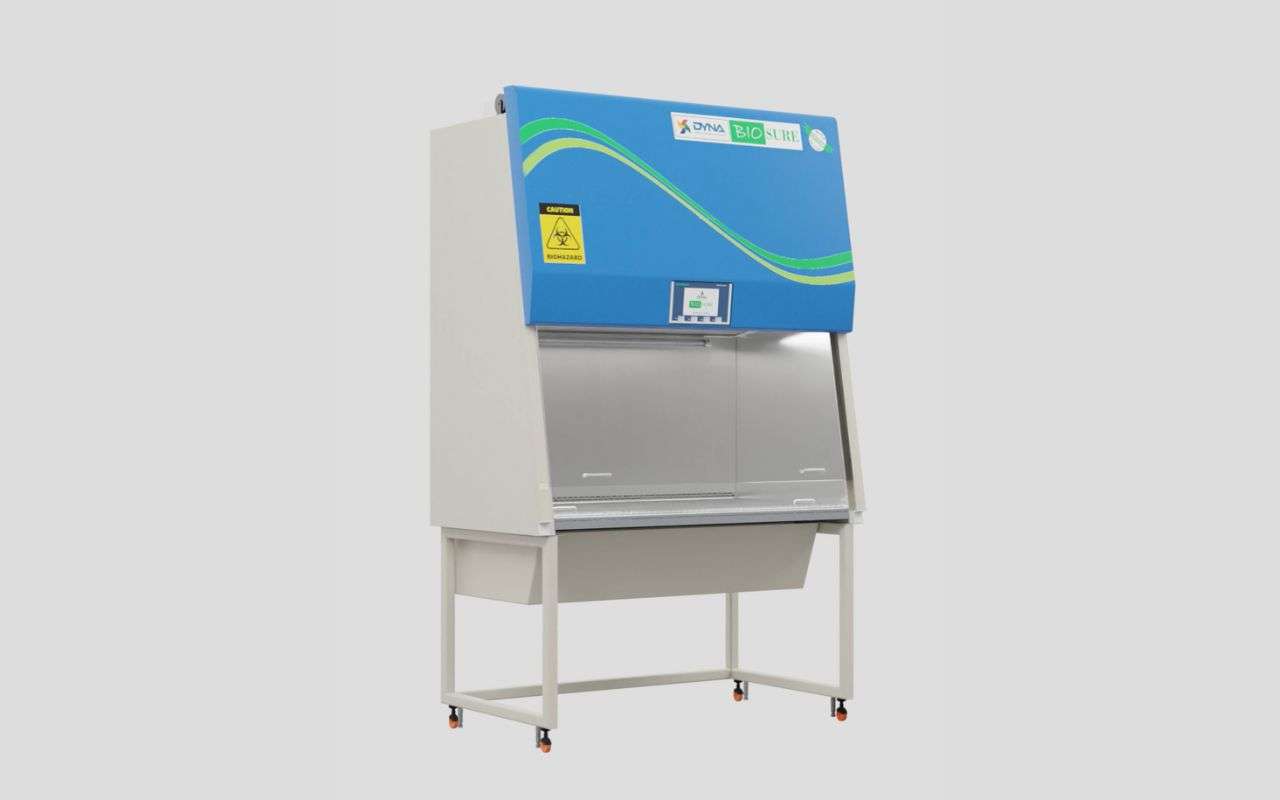
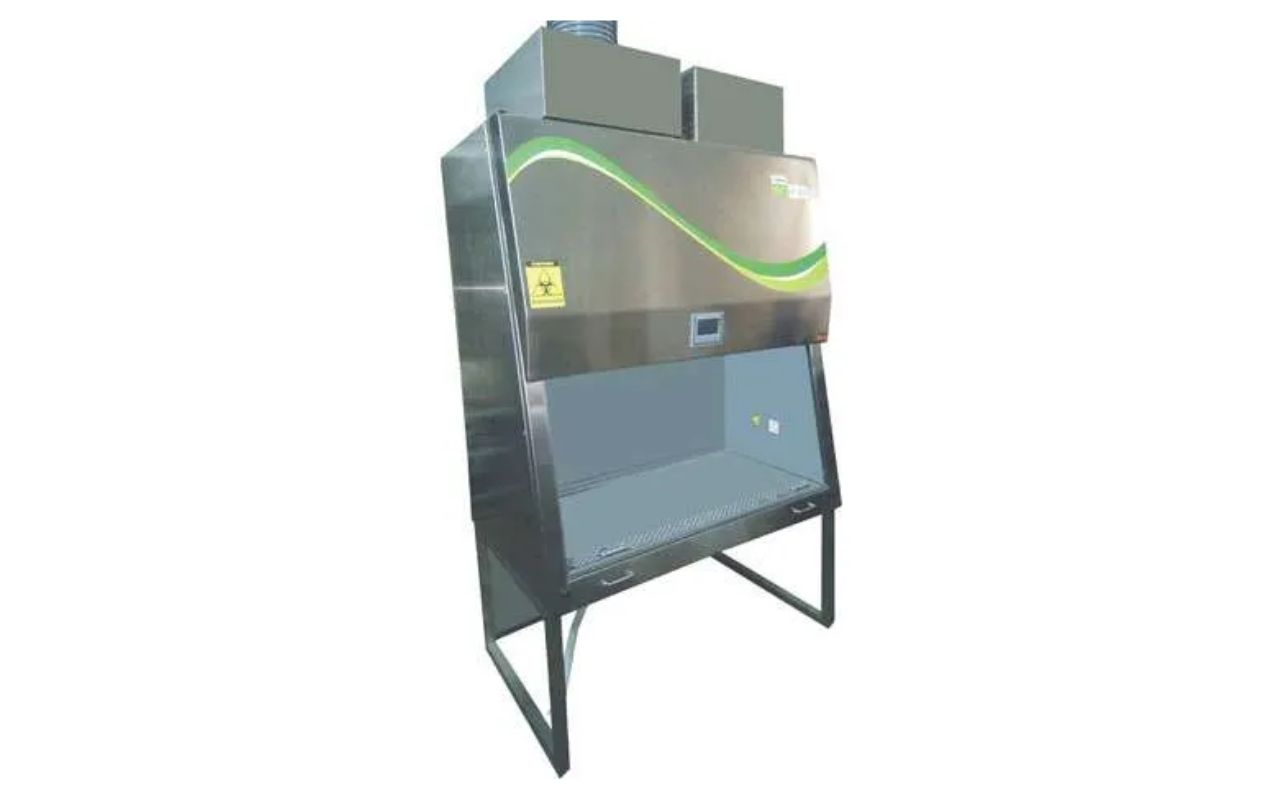
Key Features of Class II Biological Safety Cabinet
- EN12469-certified for highest safety and compliance standards
- HEPA filtration system to remove 99.99% of airborne contaminants
- Laminar airflow technology for contamination-free operations
- Ergonomic & durable design for user comfort and long-term reliability
Why Choose Dyna’s Class II Biological Safety Cabinet?
Advanced Air Filtration System
Equipped with dual HEPA filters, our cabinets maintain ultra-clean airflow, ensuring containment of hazardous particles and microbes.
Ergonomic & Energy-Efficient Design
Designed for continuous operation, reducing fatigue with low noise, vibration-free performance, and energy-efficient LED lighting.
Compliance with Global Biosafety Standards
Certified to meet EN12469, NSF/ANSI 49, and ISO 14644 standards, ensuring maximum operator and environmental protection.
Class II Biological Safety Cabinet Product Variants:
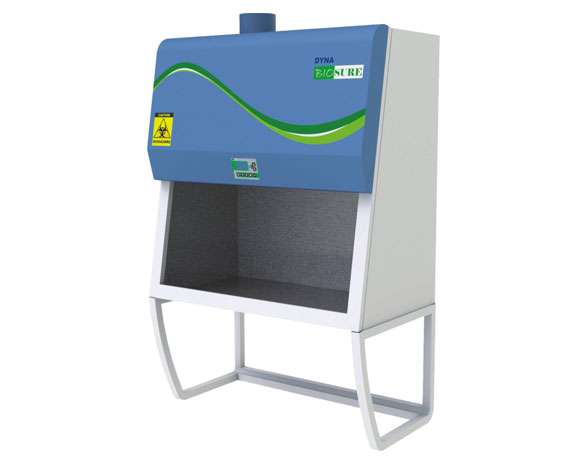
Type A2 Biosafety Cabinet
- Provides 70% recirculated air and 30% exhaust
- Ideal for microbiological and pharmaceutical applications
- Ensures both product and personnel protection
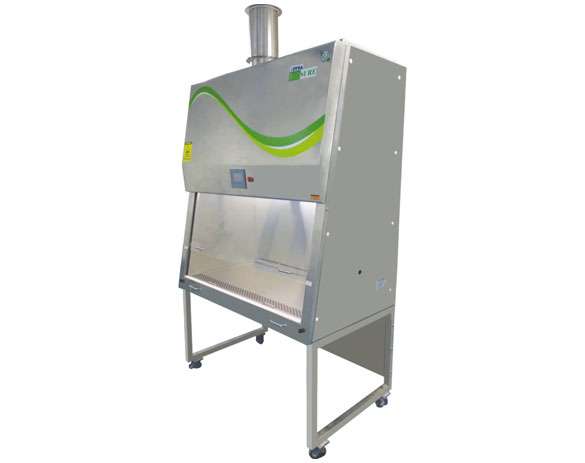
Type B2 Biosafety Cabinet
- 100% exhausted air, making it ideal for handling toxic chemicals and volatile substances
- Used in chemical and pharmaceutical industries
- Eliminates cross-contamination risks
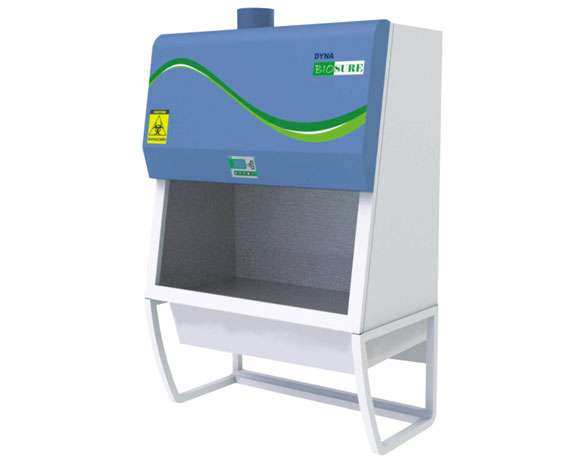
Cytotoxic Biosafety Cabinet
- Specifically designed for handling cytotoxic drugs in hospitals and pharmaceutical labs
- Equipped with multiple HEPA filters to prevent hazardous exposure
- Ensures operator and environmental protection

Type A2/B2 Biosafety Cabinet
- A versatile hybrid model combining A2 and B2 airflow technologies
- Suitable for diverse applications in microbiology and pharmaceuticals
- Offers flexibility in airflow management
Applications – Where Class II Biosafety Cabinets Are Used:

Microbiology & Virology Labs
Safe handling of infectious microorganisms

Pharmaceutical Research
Contamination-free drug testing and development

Clinical & Hospital Laboratories
Secure handling of patient samples and hazardous specimens

Biotechnology & Life Sciences
Research in genetic engineering, cell culture, and tissue engineering
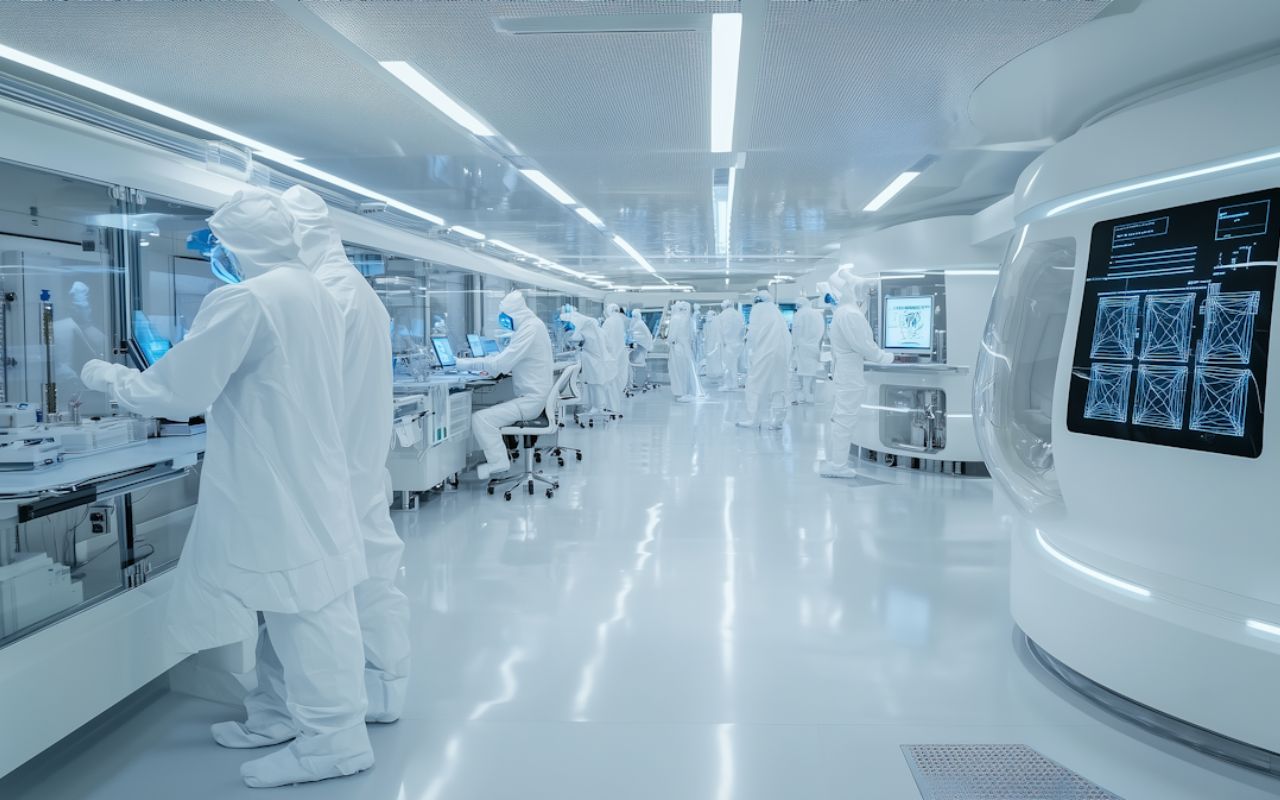
Healthcare & Diagnostic Centers
Chemotherapy drug preparation and viral testing
Safety & Containment Features of Class II BSCs:
HEPA/ULPA Filtration System
Removes airborne contaminants for a sterile environment
Laminar Airflow Design
Front Sash & UV Sterilization
Real-Time Airflow Monitoring
Frequently Asked Questions (FAQs)
What is the purpose of a Class II Biosafety Cabinet?
A Class II Biosafety Cabinet (BSC) provides simultaneous protection for personnel, product, and the environment. It uses HEPA-filtered laminar airflow to prevent cross-contamination, making it ideal for microbiological work, tissue culture, and pharmaceutical applications that require aseptic conditions.
What is the difference between Class I and Class II Biosafety Cabinets?
Class I cabinets protect the user and environment but do not offer product protection. Class II BSCs ensure operator, product, and environmental protection, making them ideal for sensitive biological work.
Are Class II Biosafety Cabinets suitable for COVID-19 testing labs?
Yes, Class II BSCs are widely used in virology and diagnostic labs for handling infectious samples, including SARS-CoV-2.
How often should HEPA filters in a Class II Biosafety Cabinet be replaced?
Typically, HEPA filters last 1-3 years, depending on usage and environment. Regular monitoring ensures optimal performance.
What types of Class II Biosafety Cabinets are available?
Class II BSCs are categorised into:
- Type A1 (obsolete)
- Type A2 – recirculates 70% air, exhausts 30%
- Type B1 – recirculates 30%, exhausts 70%
- Type B2 – 100% exhaust, no recirculation
- Type C1 – hybrid airflow with flexible configurations
Dyna Filters offers both Type A2 and B2 models, along with dual-mode hybrid solutions for process flexibility.
What is the airflow pattern inside a Class II BSC?
A Class II BSC uses vertical laminar airflow. Room air enters through a front grille, passes through a supply HEPA filter, flows downward over the work surface, and exits via an exhaust HEPA filter. This creates a contamination-free zone and prevents exposure to harmful aerosols.
Can a Class II BSC be used with hazardous chemicals?
Only certain types. A Type A2 BSC may handle trace amounts of chemicals if ducted. A Type B2 cabinet, with 100% air exhaust, is recommended for work involving cytotoxic drugs, volatile toxic chemicals, or radionuclides. Dyna provides chemical-handling compatible Class II B2 units for such applications.
Is a Class II BSC suitable for sterile pharmaceutical production?
Yes. Class II BSCs—especially Type A2 or B2—are commonly used for Grade A sterile compounding, including:
- Aseptic filling
- Microbial testing
- IV preparation
- Cell culture
Dyna’s BSCs meet CE, EN, EU GMP, WHO, and ISO 14644 standards, ensuring sterile conditions and operator protection.
How do I choose between a Class II Type A2 and B2 cabinet?
Choose:
Type A2 for general biological work with limited chemical use.
Type B2 for applications with high-risk chemicals or vapors.
If your work may involve both, Dyna offers A2/B2 hybrid models with switchable airflow modes and dual exhaust systems.
What are the standard sizes available for Class II BSCs?
Dyna Filters offers Class II BSCs in:
- Biosure II 2’ x 2’
- Biosure II 3’x 2’
- Biosure II 4’ x 2’
- Biosure II 5’ x 2’
- Biosure II 6’ x 2’
Custom sizing, built-in work trays, and electrical outlet ports are available on request.
How is operator safety ensured in a Class II cabinet?
Operator safety is achieved through:
- HEPA-filtered exhaust
- Negative pressure containment
- Airflow velocity alarms
- Front sash barriers
Dyna cabinets also include microprocessor-based airflow monitoring, audible-visual alarms, and optional VFD-driven fans for enhanced protection.
What are the maintenance requirements for a Class II BSC?
Maintenance includes:
- Annual certification
- HEPA filter integrity checks
- Airflow velocity testing
- Decontamination as needed
Dyna offers Annual Maintenance Contracts (AMCs), spare parts, and HEPA replacement services across India.